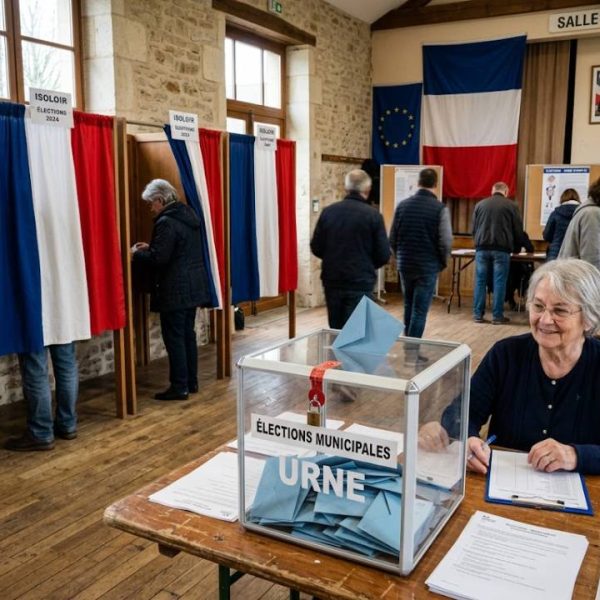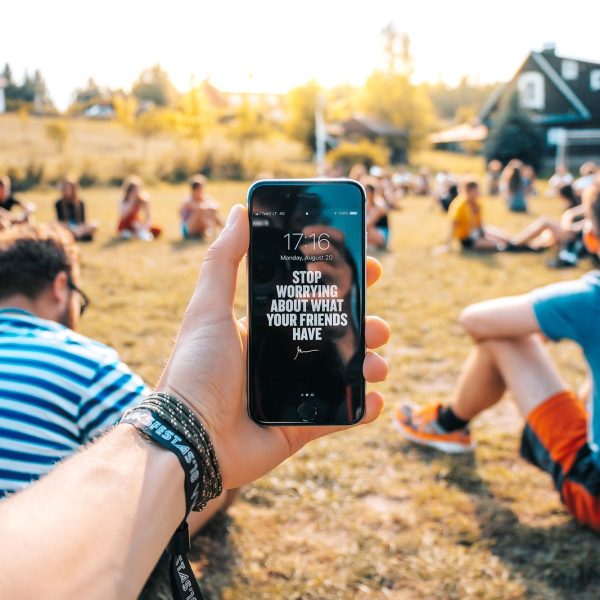
A short video explains how to register to vote and where to find a polling station. It is clear and friendly and it gets shared widely. Then a viewer who speaks another language turns on the automatic captions and reads a sentence that says the opposite of what the speaker meant. Trust drops in a second. Civic videos carry information that people act on and a bad subtitle can lead to a missed deadline or a wrong choice. Organizations that serve multilingual communities cannot afford to treat captions as an afterthought.
Subtitles are not a simple copy of the spoken words. They are a separate text that must be short and readable while the picture keeps moving. A viewer has about two seconds to read each line. That means the translator must cut and rephrase and still keep the meaning. Deciding what to keep is the hardest part of the job and it needs real language skill. A good subtitler also knows when silence or a pause carries meaning and leaves it alone.
Civic content adds special demands. Words about voting and rights and procedures have exact meanings that differ between countries. The word for a ballot or a district or a mandate may have no perfect match. Translators need to know the local system and not only the vocabulary. They should check the official term for each step and use it every time. Using one term throughout builds trust because viewers see the same word in the video and on the official forms.
Names and numbers are another risk. Dates for registration and addresses and phone numbers must be exact. A single digit error can send a viewer to the wrong place. Every number in a subtitle file should be compared with the source material before publication. It is a boring task and it prevents the most harmful mistakes. A second person should repeat the check with fresh eyes.
Tone matters too. Public information should sound neutral and respectful. A subtitle that adds emotion or opinion can make a neutral message look biased. A translator working on civic video needs to keep the same register as the speaker and avoid any extra color. When the speaker is passionate the subtitle may reflect it but never invent it.
Planning Subtitles From the Start
Professional subtitling services work best when they begin with the script and not with the finished video. The team shares the text and a glossary and a style guide. The translator can then prepare shorter lines that fit the timing of each scene. This avoids the problem of long sentences that flash on the screen too quickly to read.
Technical choices matter as well. Subtitles can be burned into the picture or delivered as a separate file that viewers can switch on. A separate file is easier to correct and works better for accessibility. Social platforms often play videos without sound so a clear and well timed subtitle track can decide whether a message is understood at all. Fonts and colors should stay readable on both light and dark backgrounds and on small phone screens.
Quality Checks That Pay Off
Video subtitling needs a review step that checks timing and reading speed and line breaks. A line that breaks in the middle of a name or a phrase is harder to follow. Each subtitle should show one idea and end at a natural pause. A native reviewer should watch the video with the subtitles on and note anything that feels strange.
Automatic captions can be a starting point but they should never be the final version. Machine tools mishear names and place names and legal terms. They also struggle with accents and background noise. The same lesson applies to civic videos where accuracy is even more important. Reviewers should keep a log of recurring errors so that glossaries and style guides improve with every project.
Guidance From Public Institutions
Election bodies give clear examples of how to explain procedures. The Electoral Commission publishes public guidance in plain language and in several formats. Studying it shows how to break a process into steps that an ordinary viewer can follow. Those steps can then be adapted into a video script that translates well. Our article on subtitle translation errors shows how small mistakes spread and why human review matters.
International bodies also share good practice. International IDEA publishes research on elections and civic participation across many countries. Its material shows how different systems use different terms for similar ideas. Teams that read it understand why a direct translation often fails and why local checking is necessary. This knowledge also helps them brief translators better and ask sharper questions during review.
A Simple Workflow for Civic Video
Start with the script and keep it simple. Use short sentences and avoid slang and jokes. Mark every term that has an official name. Provide the glossary to the translator along with links to the official sources. The clearer the original the better the subtitles will be.
Then review in stages. Check the translation against the script and the timing against the video. Ask a native viewer who is not part of the project to watch the final version and tell you what they understood. Fix any gaps and publish the corrected file. Share the final text with community groups so they can spot problems early and help spread the video. Keep the subtitle files so they can be reused when the content is updated. A version history shows what changed and who approved it which is useful when rules or dates change before the next election.
People act on what they understand and they ignore what confuses them. Good subtitles open civic information to everyone who lives in a community. They cost little compared with the effort of producing the video. Teams that treat them as part of the message reach more people and earn more trust. That trust is the real goal of any civic communication and it is built one clear line at a time.